
The transition to kindergarten is a monumental milestone, often filled with excitement and, for parents, a healthy dose of anxiety. You might be staring down a daunting Kindergarten Readiness Checklist, wondering if your child knows enough letters, can count high enough, or will sit still long enough.
Stop. Take a deep breath.
While knowing the alphabet is helpful, experts in early childhood development agree on a crucial point: academic readiness is secondary to a strong foundation of social, emotional, and self-help skills. As reputable sources like Parents and KidsHealth often emphasize, school success hinges less on rote memorization and more on a child’s ability to navigate the world independently.
This guide will help you shift your focus, identifying the truly critical skills the ones that predict happiness and competence not just in first grade, but for life.
1. Why the Traditional Checklist Misses the Mark: Beyond the ABCs
Many standard Kindergarten Readiness Checklists heavily feature cognitive skills:
- Can they recognize 15 letters?
- Can they count to 20?
But the goal of kindergarten is to teach academics. If a child already knows everything, they may quickly become bored or disengaged. What teachers truly need is a child ready to learn and that requires a developed set of soft skills.
As noted by developmental psychology experts (like those featured in Psychology Today), the skills most predictive of lifelong success self-regulation, executive function, and communication are often overlooked in the race for early academics. A child who can manage a disappointment is better prepared than a child who can recite the entire alphabet but bursts into tears when they can’t find their favorite crayon.
2. The Core of Readiness: Social-Emotional Skills and Self-Regulation
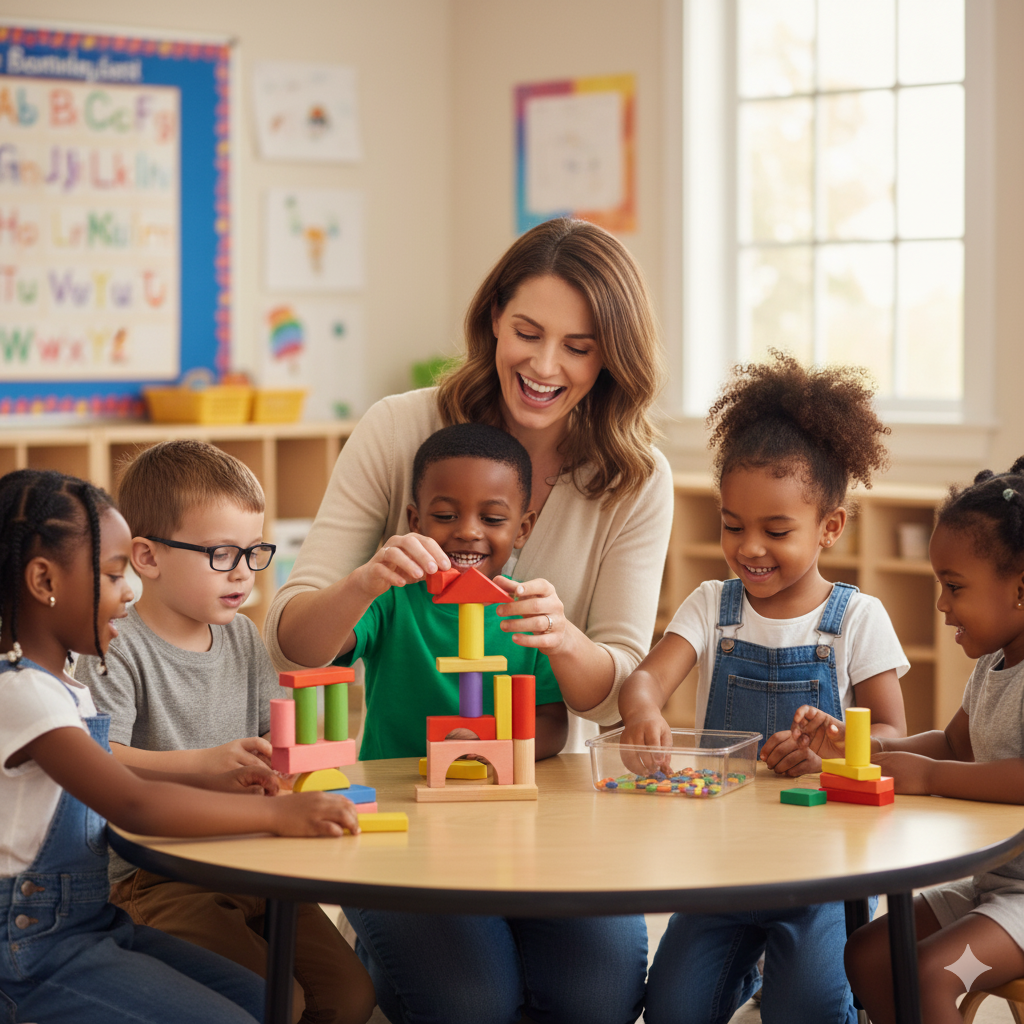
If you ask any kindergarten teacher what matters most, they will point to social-emotional skills. These are the foundational building blocks for everything else.
Managing Feelings and Frustration
Starting school means facing new rules, new peers, and inevitable frustrations (e.g., losing a game, having to wait in line). The ability to handle these moments is key to maintaining focus and a positive attitude.
What Really Matters:
- Self-Regulation: Can your child handle disappointment or anger without aggression? They don’t need to be perfect, but they need to be able to pause, recognize the emotion, and use a simple coping strategy (e.g., taking a deep breath, asking for help).
- Listening and Following Multi-Step Directions: School involves following a teacher’s instructions, often two or three steps long (“Put your lunchbox in your cubby, then come sit on the rug”).Practicing this at home builds working memory.
- Separation Anxiety Management: While some tears are normal, consistent positive separation experiences (e.g., playdates, drop-off classes) are vital for building confidence that you will return.
Sharing, Cooperating, and Conflict Resolution
Kindergarten is a masterclass in social interaction. Your child will go from a small home setting to a classroom of 20+ children, all vying for attention and resources.
What Really Matters:
- Taking Turns: This applies to games, conversations, and sharing classroom supplies.
- Communicating Needs and Wants: Can your child confidently ask the teacher to use the restroom, ask a friend to play, or advocate for themselves without resorting to hitting or shouting?
- Empathy: Showing basic awareness of how their actions make others feel. Reading stories and discussing the characters’ feelings is a powerful tool here.
3. Fostering Independence: The Self-Care Checklist
A teacher is one person responsible for many children. The more independent your child is in self-care, the more comfortable and confident they will feel, and the more time the teacher can dedicate to instruction.
This is the ultimate practical Kindergarten Readiness Checklist item, often championed by resources like KidsHealth for promoting a child’s sense of competence.
| Skill (What Really Matters) | Why It Matters for Kindergarten |
| Complete Bathroom Independence | They must be able to manage clothing, wipe themselves thoroughly, flush, and wash their hands without adult assistance. |
| Dressing Skills | Can they independently put on and take off their jacket, zip a simple zipper, or put on their own shoes (velcro/slip-ons are often preferred)? |
| Lunchtime Skills | Can they open a lunchbox, unwrap their sandwich, open a yogurt tube, or manage a juice box straw? If they can’t, they will eat less. |
| Personal Hygiene | Knowing to sneeze/cough into their elbow and managing their nose (blowing/wiping) on their own. |
| Taking Responsibility | They can put away their coat, return books to a specific shelf, and clean up their own spills or messes. |
4. Academic Readiness: Cultivating a Love for Learning
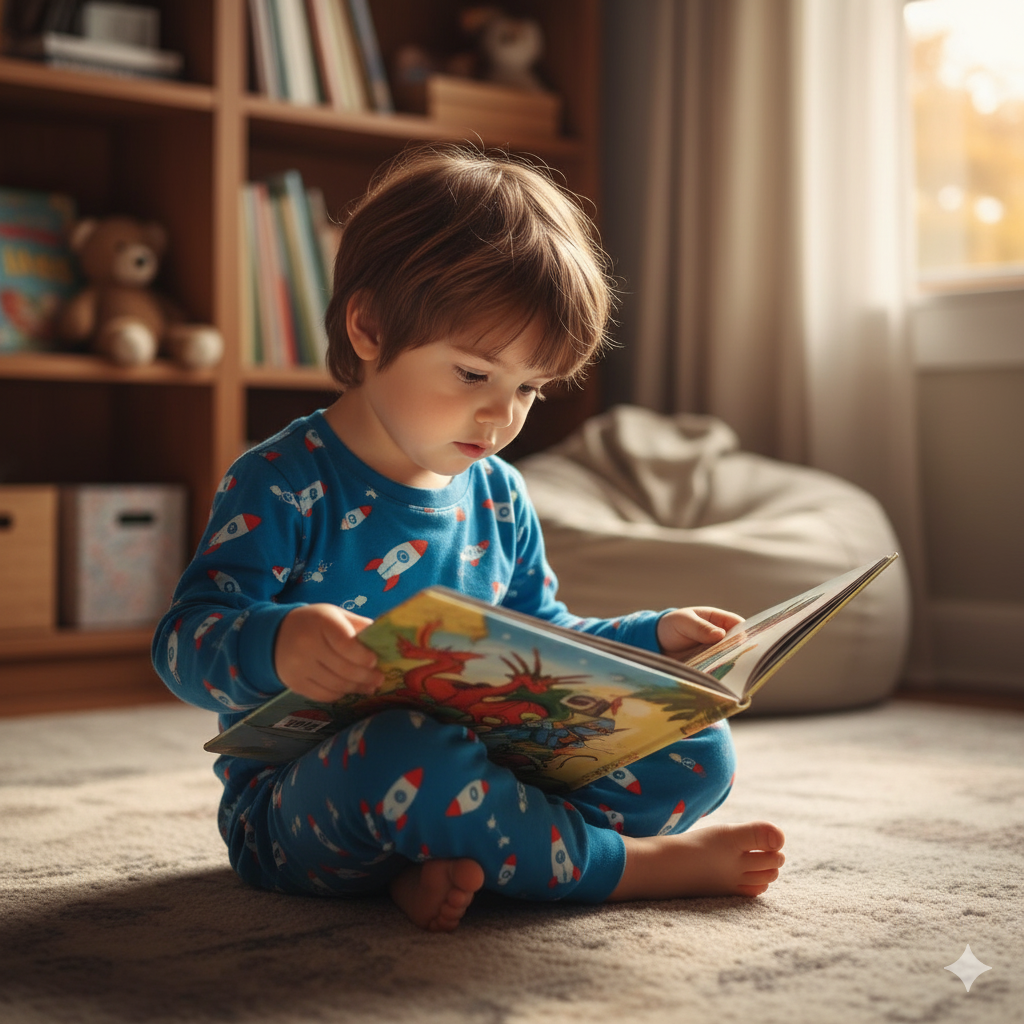
While academics aren’t the primary focus of preparation, a positive disposition toward learning is crucial.
Shift the Focus from Rote Knowing to Curiosity
Instead of flashcards and drills, make learning engaging. Your goal isn’t to force knowledge, but to foster curiosity and critical thinking.
What Really Matters:
- Language and Vocabulary: Read aloud to your child every single day. This is the single most effective tool for building vocabulary, comprehension, and a powerful predictor of later reading success. Ask open-ended questions: “Why do you think the wolf did that?”
- Basic Concepts: They should understand basic concepts like colors, shapes, matching, and simple counting (1 to 5). More importantly, they should understand how to use them (e.g., sorting toys by color).
- Fine Motor Skills: These skills are critical for holding a pencil, using scissors, and managing fasteners. Encourage play with building blocks, playdough, puzzles, and stringing beads.A proper pencil grasp is much more important than writing all 26 letters.
Navigating the Kindergarten Readiness Checklist is less about ticking boxes and more about raising a whole, competent human being. By prioritizing social-emotional skills, fostering genuine independence, and maintaining a positive outlook on the adventure ahead, you give your child the tools they need to truly thrive. They will enter the classroom ready not just to learn, but to engage, adapt, and succeed.