
🧹 Age-Appropriate Chores for Kids
Building Responsibility from Ages 2 to 12 — A Complete Parent’s Guide
📚 Keywords: age appropriate chores · kids chores by age · teaching responsibility
🗓️ Published: June 2025 | ⏱️ Reading Time: ~9 minutes | 👶 Ages Covered: 2–12 | ✍️ Expert-reviewed parenting guidance

Why Chores Matter More Than You Think
One of the most valuable gifts you can give your child is a sense of responsibility — and it doesn’t have to wait until they’re a teenager. Research consistently shows that children who participate in regular household chores grow into more capable, confident, and empathetic adults.
The key is assigning age-appropriate chores for kids — tasks that match their physical abilities, cognitive development, and emotional readiness. Too difficult, and you’ll create frustration; too easy, and you’ll miss a growth opportunity.
In this comprehensive guide, we break down the best kids chores by age, explain the science behind teaching responsibility, and give you practical strategies to make chores a natural, positive part of your family’s daily life.
The Science-Backed Benefits of Chores
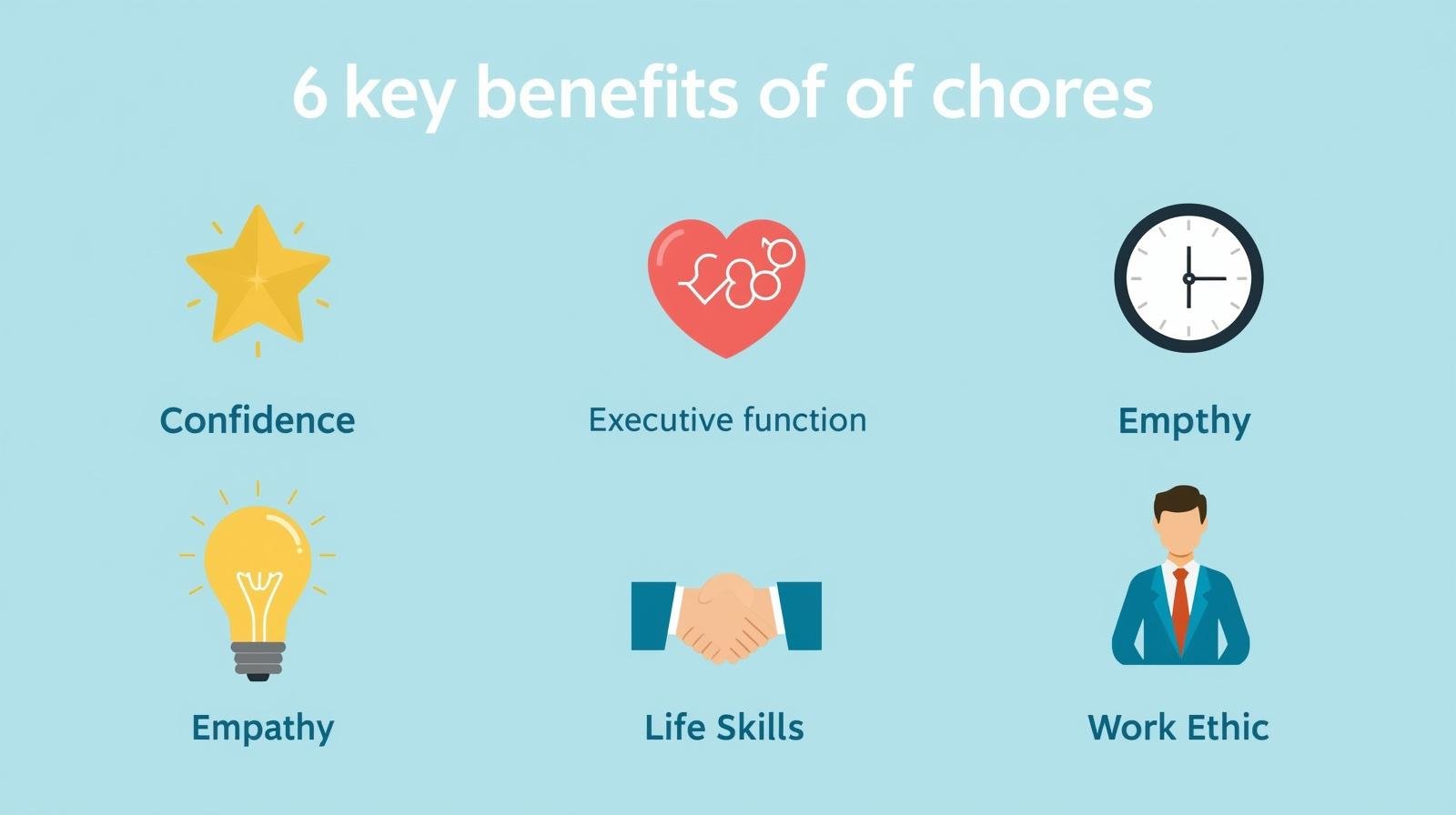
A landmark study from the University of Minnesota — following participants for over 25 years — found that children who did chores starting at age 3–4 were more successful professionally, had better relationships, and showed greater mental health than those who did not. Here’s what regular household participation builds:
- Self-esteem and confidence — completing tasks gives kids a genuine sense of achievement
- Executive function — sequencing steps, remembering routines, and planning ahead
- Empathy and family awareness — understanding that a household requires shared effort
- Work ethic — learning that effort produces results
- Life skills — practical abilities they’ll use every single day as adults
- Time management — balancing chores with play and schoolwork
How to Successfully Introduce Chores
Before diving into the age-by-age breakdown, it helps to set yourself up for success. Here are proven approaches for introducing chores in a way children actually embrace:
- Start early and start small. Even a 2-year-old can put toys in a bin. Early starters develop a “this is just what we do” mindset.
- Work alongside them. Side-by-side chores are bonding time, not just work time — especially for under-7s.
- Use a visual chore chart. Pictures and checkboxes give younger kids independence and a sense of accomplishment.
- Praise the effort, not the result. A lumpy bed that a 5-year-old made themselves is a success story.
- Keep it consistent. Same time, same day works better than random assignments.
- Avoid using chores as punishment. This creates negative associations that last for years.
👶 Ages 2–3: The Little Helpers
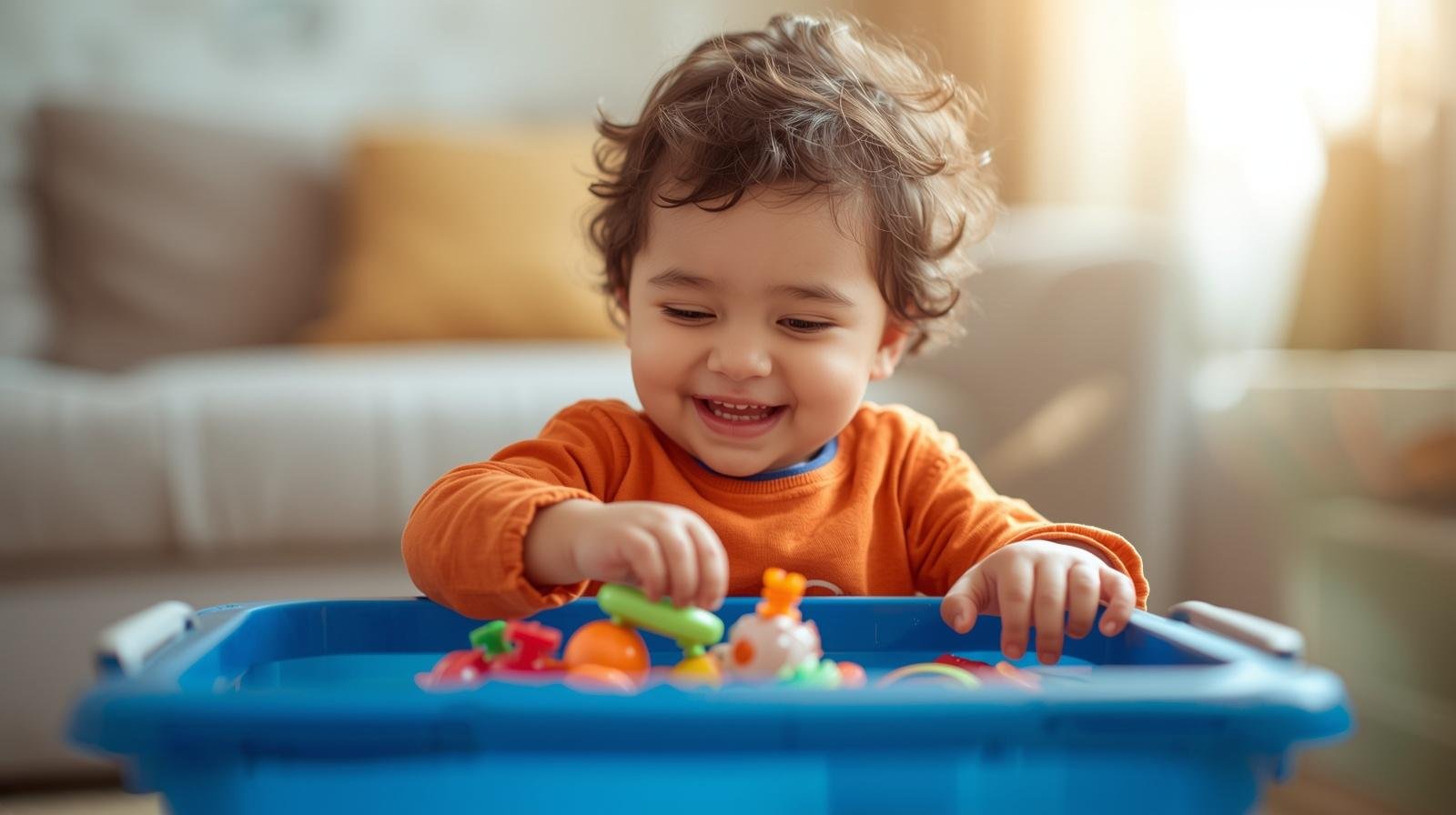
Toddlers are naturally eager to help — they love imitating adults. The goal at this stage isn’t a perfectly done chore; it’s building the habit and the attitude. Keep tasks simple, safe, and very short (under 5 minutes).
- Put toys back in the toy bin or shelf
- Place dirty clothes in the laundry hamper
- Help carry light, unbreakable groceries
- Wipe up spills with a cloth (with guidance)
- Feed a pet (with supervision and pre-measured food)
- Dust low surfaces with a child-safe duster
- Put books back on the shelf
⏱️ Attention span: 3–5 minutes per task. Stay nearby and make it a game.
💡 Parent Tip: Say ‘Let’s do it together!’ rather than ‘Go do this.’ Side-by-side work is the magic ingredient at this age.
🧒 Ages 4–5: The Growing Helpers
Preschoolers are developing fine motor skills rapidly and love to feel ‘big.’ They can handle multi-step simple tasks and begin understanding routines. This is a golden window for establishing lasting chore habits.
- Make their own bed (straighten covers, arrange pillows)
- Set the table with placemats, napkins, and unbreakable dishes
- Clear their plate after meals
- Water houseplants with a small watering can
- Help sort and match clean socks
- Sweep the floor with a child-sized broom
- Pick up and sort recycling items
- Wipe down reachable counters or tables
⏱️ Attention span: 5–10 minutes. Use visual chore charts with pictures and stickers for motivation.
💡 Parent Tip: A printed chore chart with photos (not just words) gives 4–5 year olds the independence to check tasks themselves — which they absolutely love.

🧑 Ages 6–8: The Capable Crew
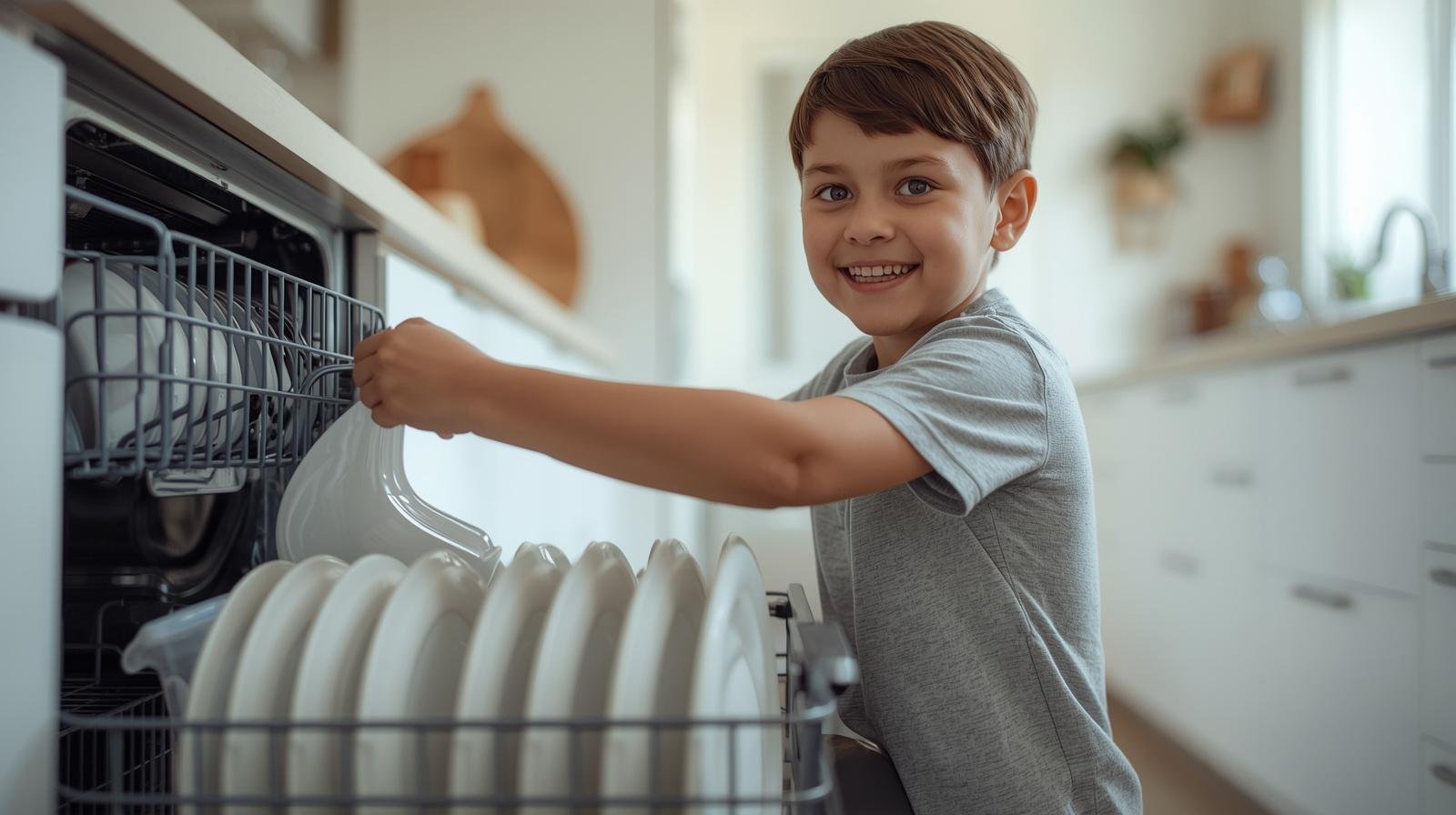
School-age children can handle real responsibilities with meaningful outcomes. They understand cause and effect, can follow multi-step directions, and are beginning to take pride in quality work. This age group is ready for chores that genuinely help the household run.
- Load and unload the dishwasher
- Vacuum a room (with a lightweight vacuum)
- Fold and put away their own laundry
- Help prepare simple meals (salads, sandwiches, cereal)
- Take out the trash and recycling
- Rake leaves or light garden tidying
- Wipe down bathroom sink and counters
- Pack their own school lunch (with some guidance)
- Walk or feed the family pet
⏱️ Attention span: 10–20 minutes. They can now complete a task without constant supervision.
💡 Parent Tip: Let them choose the order they complete their chores — autonomy is highly motivating at this age and reduces power struggles dramatically.
👦 Ages 9–12: The Junior Partners
Tweens can handle almost any household task with appropriate training. They’re capable of planning, sequencing complex tasks, and even managing younger siblings through chores. The focus shifts from ‘learning to help’ to ‘genuine contribution.’
- Cook simple meals independently (pasta, eggs, grilled cheese)
- Do a full load of laundry (wash, dry, fold, put away)
- Mow the lawn (with safety training, age 10+)
- Grocery shopping from a list (with a parent nearby)
- Deep-clean a bathroom
- Wash the car
- Babysit younger siblings for short periods (age 11–12)
- Manage a weekly cleaning rotation for their room
- Help plan and budget a family meal
⏱️ Attention span: 20–45 minutes. They can plan and complete tasks entirely independently.
💡 Parent Tip: Involve 9–12 year olds in deciding which chores are ‘theirs’ for the month. Ownership over the choice dramatically increases follow-through.

Quick Reference: Kids Chores by Age Chart
| Age Group | Example Chores | Supervision Needed | Time Per Task |
|---|---|---|---|
| Ages 2–3 | Toy pickup, laundry hamper | Constant | 3–5 min |
| Ages 4–5 | Make bed, set table, water plants | Nearby | 5–10 min |
| Ages 6–8 | Dishwasher, fold laundry, vacuum | Check-ins | 10–20 min |
| Ages 9–12 | Cook meals, full laundry, lawn | Independent | 20–45 min |
Making Chores Stick: Proven Strategies for Parents
Even with the best intentions, chore systems can fall apart. Here are the most effective strategies that parenting experts and child psychologists recommend for teaching responsibility through chores:
🌟 Use Allowance Thoughtfully
Whether to tie chores to allowance is a personal family decision. Some experts recommend separating the two — a baseline set of chores is expected as family contribution, while extra “jobs” earn money. This preserves the intrinsic motivation behind chores while still teaching financial literacy.
📋 Create a Chore Chart Together
Children who help design their chore chart are significantly more likely to follow through. Sit down together, discuss options, let them decorate it with stickers or drawings, and post it somewhere visible. Ownership breeds commitment.
🎵 Make It Fun (Seriously)
A cleanup song, a “race the clock” game, or a family dance-while-you-clean session transforms chores from drudgery to shared play. This is especially powerful for ages 2–7, where the line between work and play is still beautifully blurry.
🔄 Rotate and Refresh
Even adults get bored of the same tasks. Rotate chore assignments monthly to keep things fresh, help children build a broad skill set, and prevent anyone from feeling stuck with the least-liked jobs permanently.
⚡ The 10-Minute Family Tidy
A quick, daily 10-minute whole-family tidy session — everyone working at the same time — is one of the highest-impact habits you can build. It’s fast, it’s fair, and it teaches that maintaining a home is everyone’s responsibility, not just one person’s burden.
Common Chore Mistakes to Avoid
Even well-meaning parents can unintentionally undermine their chore systems. Watch out for these common pitfalls:
- Redoing their work: If you immediately fix what your child just did, you signal that their effort wasn’t good enough — crushing motivation instantly.
- Assigning chores as punishment: “Go clean your room since you were rude” creates a lasting negative link between helping and consequences.
- Expecting adult-level results: A 6-year-old’s “clean” and an adult’s “clean” look very different — and that’s completely okay.
- Inconsistency: Letting chores slide for weeks then suddenly enforcing them creates confusion and resentment.
- No training first: Assuming kids know how to do a chore without being shown (multiple times) sets everyone up for frustration.
- Over-praising trivial tasks: “Amazing job breathing!” loses its meaning. Save genuine praise for real effort and achievement.

Frequently Asked Questions
Conclusion: Small Tasks, Big Lessons
Teaching children to contribute to their household through age-appropriate chores is one of the most impactful investments you can make in their future. It’s not about having a tidy house — it’s about raising capable, confident, empathetic human beings who understand that effort matters and that families work together.
Start where your child is today. A 2-year-old dropping toys in a bin, a 7-year-old loading the dishwasher, and a 12-year-old cooking dinner — every step along the way is a step toward independence. The goal isn’t perfection; it’s participation and progress.
Remember: the best chore system is the one your family will actually stick with. Choose age-appropriate tasks, stay consistent, celebrate effort, and make it a natural, even enjoyable, part of daily life.
Start this week. Your future adult will thank you.

Content Notice: The information in this article is intended for general educational purposes only and represents widely accepted child development guidance. Every child develops at their own pace. Please consult with your child’s pediatrician or a qualified child development specialist for personalized advice. This article does not constitute professional medical, psychological, or therapeutic advice.
Sources & References: University of Minnesota longitudinal study on chores and life success (Marty Rossmann, 2002) | American Academy of Pediatrics developmental guidelines | Centers for Disease Control and Prevention child development milestones.
Explore More Parenting Guides
Enjoyed this guide? You might also find these articles helpful:
- 📖 How to Build a Morning Routine for Kids That Actually Works
- 📖 Teaching Children About Money: A Parent’s Guide to Financial Literacy
- 📖 Positive Discipline Techniques That Respect Your Child
- 📖 Screen Time Guidelines for Children: What Experts Recommend