
Health, Wellness & Safety
How Much Sleep Does Your Child Really Need? A Complete Sleep Guide by Age
By Prasad Fernando | Health, Wellness & Safety | Updated May 2026 | 19 min read
Medical Disclaimer: This article is for general informational and educational purposes only. Sleep recommendations are based on current guidelines from the American Academy of Sleep Medicine (AASM) and the American Academy of Pediatrics (AAP). Individual children’s needs vary. If you have concerns about your child’s sleep, breathing during sleep, or sleep-related behaviour, please consult your child’s paediatrician or a board-certified sleep specialist.
📋 Table of Contents
- Why Sleep Is the Most Underrated Pillar of Child Health
- Child Sleep Chart by Age: The Official Recommendations
- Newborns and Infants (0–12 Months)
- Toddlers (1–2 Years)
- Preschoolers (3–5 Years)
- School-Age Children (6–12 Years)
- Teenagers (13–18 Years)
- Signs Your Child Is Not Getting Enough Sleep
- How to Build a Healthy Children’s Sleep Schedule
- Sleep Hygiene Tips for Every Age
- When to Talk to a Doctor About Your Child’s Sleep
- Frequently Asked Questions
- Sources & References
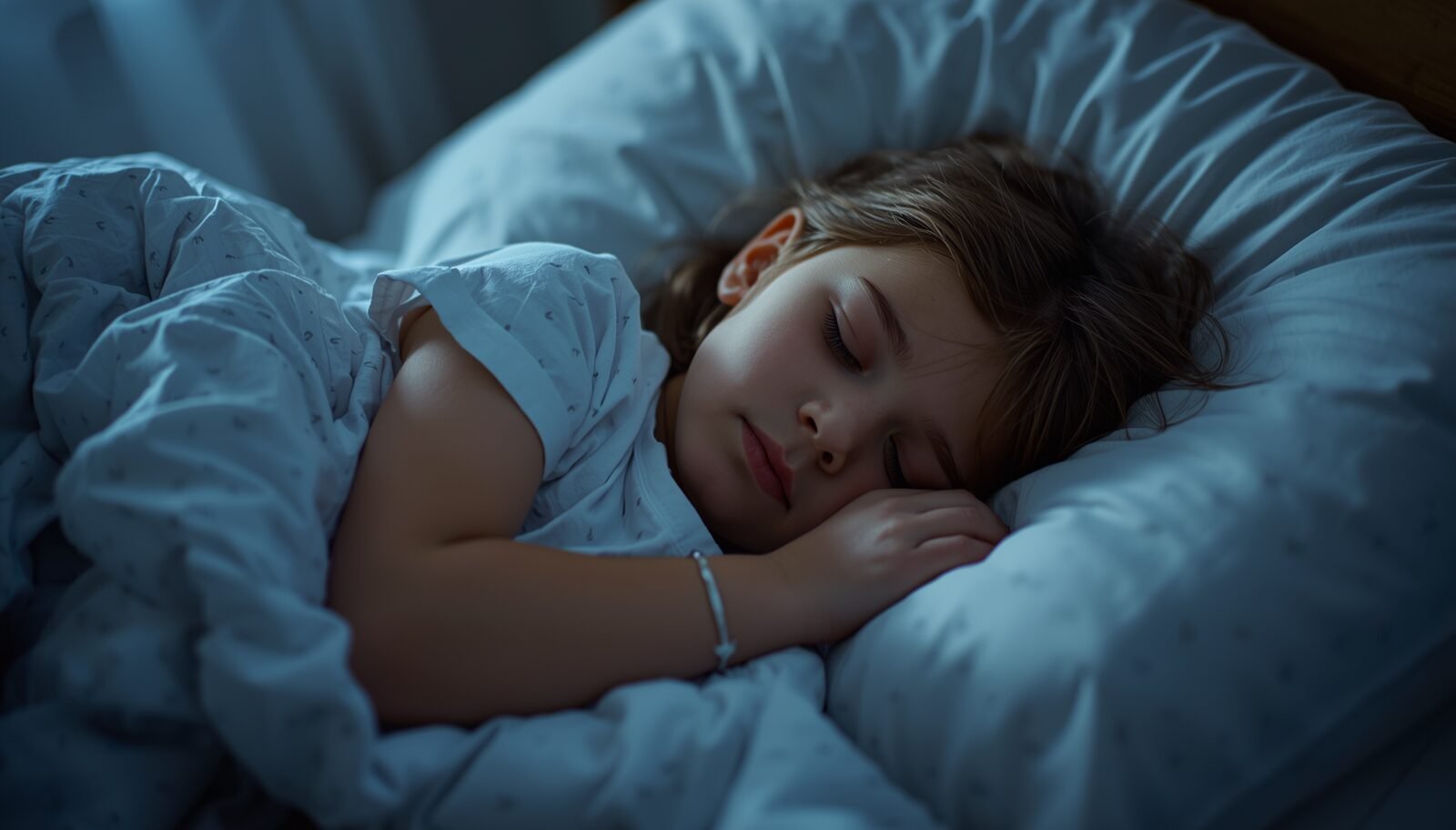
It is 9:45 in the evening and your eight-year-old is still awake, cycling through a familiar rotation of requests: water, bathroom, one more story, the dog is making a noise. You are exhausted. They appear to be entirely functional. And somewhere in the background, the quiet worry surfaces: is my child getting enough sleep?
It is one of the most common questions paediatricians, school nurses, and child psychologists hear from parents — and one of the most important. Sleep is not merely rest. During sleep, children’s brains consolidate learning, regulate emotions, release growth hormone, and build the immune responses that keep them healthy. Chronic sleep deprivation in childhood is linked to a remarkably wide range of outcomes: poor academic performance, elevated anxiety, impaired attention, behavioural difficulties, and even increased long-term risk of obesity.
Yet despite its importance, children’s sleep is poorly understood by many parents — partly because the guidelines change with age, partly because sleep challenges are so normalised in parenting culture that many families do not recognise a genuine problem when one is present.
This comprehensive guide brings together the latest child sleep chart by age recommendations from the American Academy of Sleep Medicine and the American Academy of Pediatrics, alongside practical guidance on building a healthy children’s sleep schedule, recognising the signs of insufficient sleep, and knowing when to seek professional support. Whether your child is a newborn or a teenager, this guide covers how much sleep kids need — and, crucially, how to help them get it.
Why Sleep Is the Most Underrated Pillar of Child Health
Parents spend considerable energy managing what their children eat, how much screen time they have, and whether they are physically active. Sleep often receives less intentional attention — partly because it feels passive, and partly because children who appear fine during the day do not always appear sleep-deprived in the way adults do. A chronically under-slept child may look energetic, even hyperactive, where an adult in the same situation would look visibly exhausted.
This is one of sleep medicine’s most important clinical insights: in children, the behavioural signature of sleep deprivation frequently looks like the opposite of tiredness. It looks like difficulty concentrating, emotional dysregulation, impulsivity, and social problems — symptoms that are often misattributed to ADHD, anxiety, or behavioural issues when the underlying driver is simply insufficient sleep.
What Happens in the Brain During Children’s Sleep
Sleep is far from a passive state. Neuroscience research has established that during sleep — particularly during deep non-REM sleep and REM sleep — the developing brain carries out several critical maintenance and growth functions:
- Memory consolidation: Information encoded during waking hours is transferred from short-term to long-term memory during sleep. Children who sleep adequately after learning new material retain significantly more than those who do not.
- Growth hormone release: The majority of human growth hormone is secreted during deep sleep. For growing children, adequate sleep is not just beneficial — it is biologically necessary for healthy physical development.
- Emotional processing: REM sleep is particularly important for emotional regulation. Children who are REM-deprived show increased emotional reactivity and reduced ability to manage frustration and disappointment.
- Immune function: Sleep deprivation measurably reduces immune response. Children who sleep insufficiently are more susceptible to common illnesses and recover more slowly when ill.
- Glymphatic clearance: A system unique to sleep, the glymphatic system clears metabolic waste products from the brain — including proteins associated with neurological damage. This process is essential for long-term brain health and occurs almost exclusively during sleep.
The Scale of the Problem
Research from the American Academy of Pediatrics indicates that approximately 25–40% of children and adolescents in developed countries are not getting the sleep they need. Among teenagers, the situation is particularly acute: studies consistently show that fewer than 20% of adolescents meet the recommended sleep guidelines on school nights. This is not a minor wellness issue — it is a public health concern with measurable consequences for academic performance, mental health, and road safety.
Child Sleep Chart by Age: The Official Recommendations
The following recommendations are drawn from the consensus statement of the American Academy of Sleep Medicine (AASM), endorsed by the American Academy of Pediatrics (AAP) and published in the Journal of Clinical Sleep Medicine (2016, updated 2021). These figures represent total daily sleep including naps.
| Age Group | Recommended Sleep | Includes Naps? | Notes |
|---|---|---|---|
| Newborns (0–3 months) | 14–17 hours | Yes | No set schedule; sleep is fragmented |
| Infants (4–12 months) | 12–16 hours | Yes | Consolidation begins; 2–3 naps |
| Toddlers (1–2 years) | 11–14 hours | Yes | Typically 1 nap per day |
| Preschoolers (3–5 years) | 10–13 hours | May include nap | Naps phase out gradually |
| School-age (6–12 years) | 9–12 hours | No | Academic performance closely linked |
| Teenagers (13–18 years) | 8–10 hours | No | Circadian shift makes early starts harder |
Source: American Academy of Sleep Medicine (AASM), 2016/2021 Consensus Statement. Endorsed by the American Academy of Pediatrics.
Newborns and Infants (0–12 Months)
Newborns are among the most enthusiastic sleepers on the planet — and yet the sleep of a newborn household is reliably one of the most challenging experiences parents face. The seeming contradiction resolves quickly: newborns sleep an enormous amount in total, but that sleep is distributed across many short episodes around the clock, with no reliable distinction between day and night for the first several weeks of life.
Newborns (0–3 Months): 14–17 Hours Total
In the first three months, newborns typically sleep in two- to four-hour stretches around the clock, totalling 14 to 17 hours per day. Sleep at this stage is governed by hunger — the newborn stomach holds very little, necessitating frequent feeding — rather than by a circadian (day/night) rhythm, which does not fully develop until around three to four months of age.
Parents can begin gently supporting circadian development by exposing newborns to natural daylight during the day, keeping night feeds low-stimulation (dim lights, no talking), and gradually introducing some consistency to sleep cues. However, this is a period for surviving, not optimising — no amount of parental strategy will make a newborn sleep through the night before they are biologically ready to do so.
Safe sleep essentials at this stage (per AAP guidelines): Always place babies on their back on a firm, flat surface. Remove loose bedding, pillows, and soft toys from the sleep area. Room-sharing (not bed-sharing) is recommended for at least the first six months.
Infants (4–12 Months): 12–16 Hours Total
Between four and six months, most infants begin to show longer stretches of night sleep as their circadian rhythm consolidates. By around six months, many infants are developmentally capable of sleeping six to eight hours without a feed, though there is wide individual variation and parenting approaches vary considerably.
Most infants in this age range take two to three naps per day, with the total daytime sleep gradually decreasing as night sleep consolidates. The shift from three naps to two typically happens between six and nine months; the shift from two naps to one typically occurs between twelve and eighteen months.
Sleep associations — the conditions under which a baby falls asleep — become increasingly significant from around four months onward. Babies who always fall asleep being held, rocked, or feeding may struggle to resettle themselves during normal night wakings, which can be a driver of frequent nighttime disruption.
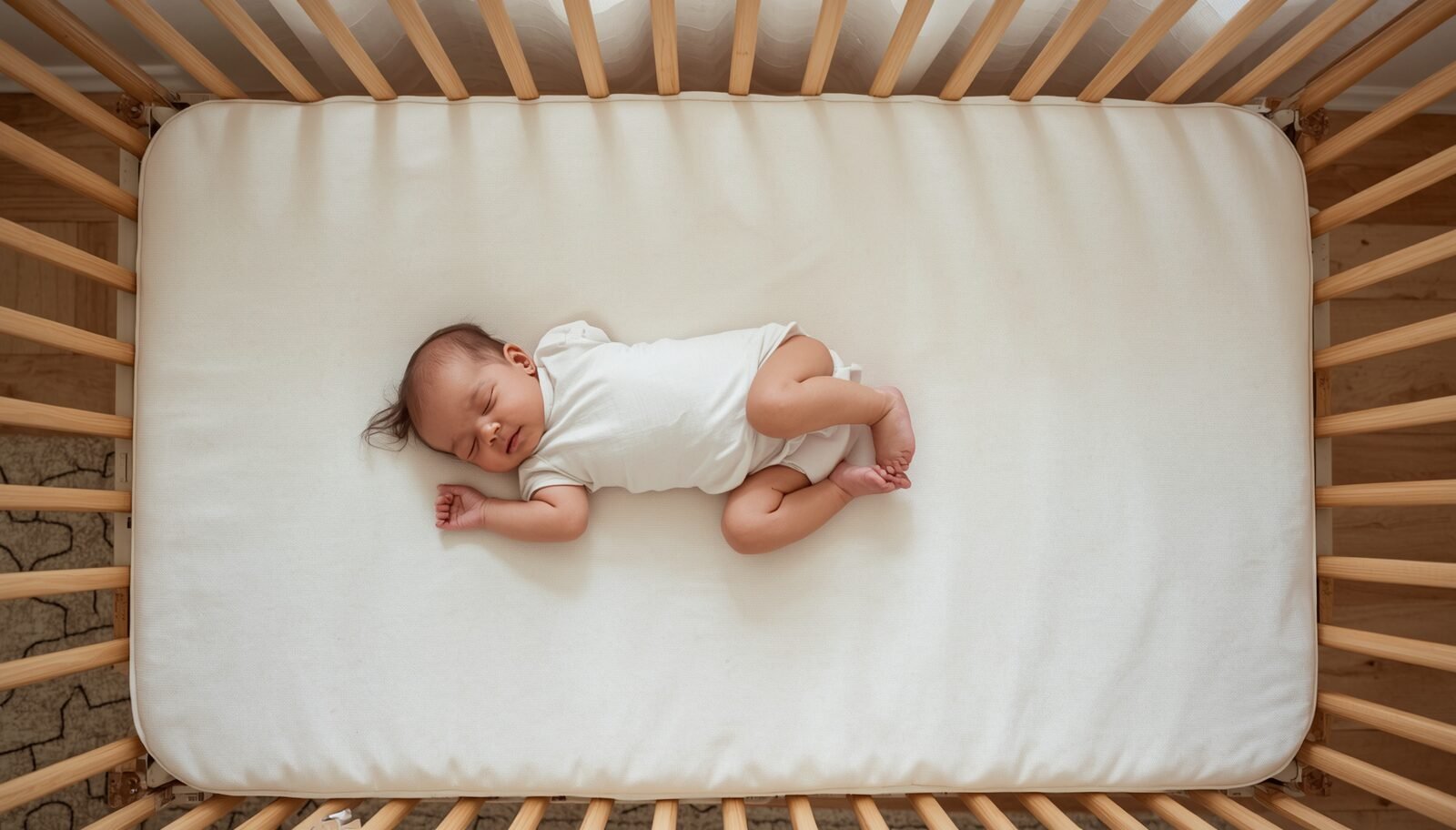
Toddlers (1–2 Years)
Toddlers need 11 to 14 hours of total sleep per day, including one daytime nap. This is a period of explosive cognitive and physical development — language acquisition, walking, emerging social awareness, and the beginning of independent will — all of which are supported and consolidated during sleep.
The Toddler Nap Transition
Most toddlers transition from two naps to one nap between twelve and eighteen months of age. Signs that a toddler may be ready for the nap transition include: consistently resisting the morning nap, having difficulty falling asleep at night after two naps, or taking a very long time to fall asleep for one of the two naps. The transition is often gradual and may involve some variability — some days one nap, some days two — over a period of several weeks.
Bedtime Battles and Toddler Sleep
Bedtime resistance is extremely common in toddlers and is developmentally linked to the emergence of independent will and separation anxiety. The most effective response is a predictable, consistent bedtime routine of 20 to 30 minutes that signals to the toddler’s brain that sleep is approaching. Research on toddler sleep consistently identifies a structured bedtime routine as the single most effective intervention for bedtime resistance.
An effective toddler bedtime routine might include: bath, pyjamas, a short book or two, a brief quiet song or lullaby, and lights out. The key is consistency — the same activities, in the same order, at roughly the same time each night. Predictability is the foundation of toddler sleep security.
An appropriate bedtime for most toddlers is between 7:00 and 8:00 pm. Toddlers who stay up past 8:30 pm regularly tend to become overtired, which paradoxically makes it harder, not easier, to fall asleep — a phenomenon paediatric sleep specialists call “overtiredness.”
Night Wakings in Toddlers
Night wakings in toddlers are common and may be triggered by developmental milestones, illness, travel, or changes in routine. When night wakings are frequent and prolonged, sleep specialists typically explore whether a sleep association is driving the pattern — that is, whether the toddler requires a specific condition (parental presence, rocking, feeding) to fall back asleep that is not available when they naturally surface between sleep cycles.
📖 Related Reading: Understanding Your 4-Year-Old’s Emotional Development: What’s Normal and What’s Not — Sleep and emotional development are deeply interconnected in the toddler and preschool years. Understanding the emotional landscape helps parents interpret sleep challenges more accurately.
Preschoolers (3–5 Years)
Preschoolers require 10 to 13 hours of sleep per day, with naps becoming optional toward the upper end of this age range. The preschool years are characterised by vivid imagination, which is wonderful for creative development but can complicate sleep — night fears, nightmares, and an extraordinary capacity for delay tactics at bedtime all emerge prominently in this age group.
When Naps End
The shift away from daytime napping typically occurs somewhere between ages three and five, with considerable individual variation. Research suggests that in cultures and settings where napping is not supported (such as full-day preschool programmes), children often drop naps earlier than they naturally would. When a child drops a nap, it is important to compensate with a slightly earlier bedtime to maintain overall sleep totals.
Even if a child no longer naps, a daily quiet rest period — 30 to 45 minutes of calm, screen-free activity in their room — continues to serve important regulatory and restorative functions and is recommended by most paediatric sleep specialists.
Night Fears and Nightmares
Night fears are developmentally normal in preschoolers. The cognitive development that enables imagination — understanding that monsters could exist, that the dark contains unknowns — outpaces the rational capacity to dismiss those fears. Responding to night fears with warmth and reassurance, without either dismissing the fear or inadvertently reinforcing avoidance, is the most effective approach.
Nightmares are also common and typically peak between ages three and six. A nightmare-prone preschooler benefits from a consistent, calm bedtime routine, limited exposure to stimulating or frightening content before sleep, and a reassuring parental response when nightmares occur. Night terrors — in which a child appears awake and distressed but is actually in deep sleep and has no memory of the episode — are different from nightmares and usually resolve on their own without intervention.
Recommended Bedtime for Preschoolers
Most paediatric sleep specialists recommend a bedtime of 7:00 to 8:00 pm for preschoolers, adjusted based on wake time. A child who needs to be up at 6:30 am for nursery benefits from a bedtime closer to 7:00 pm to achieve 11 to 12 hours of overnight sleep.

School-Age Children (6–12 Years)
School-age children require 9 to 12 hours of sleep per night, and the research on this age group is particularly compelling in terms of the academic and behavioural consequences of sleep deprivation. Yet this is also the stage at which sleep is most commonly and gradually eroded — by homework, after-school activities, social media in older children, and the pressures of a school schedule that demands early rising.
Sleep and Academic Performance
The relationship between sleep and academic performance in school-age children is one of the most robustly documented findings in educational research. Studies published in Sleep Medicine Reviews found that children who met sleep recommendations consistently outperformed those who did not on measures of attention, working memory, processing speed, and academic achievement — effects that were detectable even with as little as 30 minutes of additional sleep per night.
A study by Sadeh and colleagues found that even modest sleep restriction — reducing sleep by one hour for three consecutive nights — produced measurable impairment in neurobehavioural functioning in school-age children equivalent to that seen in children two to three years younger in developmental terms. The practical implication is stark: a well-rested child performs cognitively at their chronological age; a sleep-deprived child may be functioning significantly below it.
Screens in the Bedroom
Screen use is among the most significant drivers of insufficient sleep in school-age children. Research consistently shows that children with screens in their bedrooms sleep less than those without — an average of 30 to 45 minutes less per night, according to studies in Pediatrics. The mechanisms are multiple: screens delay sleep onset through blue light suppression of melatonin, they stimulate alertness through engaging content, and they displace the wind-down activities (reading, quiet play) that promote sleep onset.
The American Academy of Pediatrics recommends that screens — including smartphones, tablets, gaming consoles, and televisions — should not be present in children’s bedrooms and should be turned off at least one hour before bedtime.
Recommended Bedtime for School-Age Children
Working backwards from school start times, a child who rises at 6:30 am needs to be asleep by 9:00 to 9:30 pm to achieve the minimum 9 hours recommended. Many school-age children benefit from bedtimes of 8:00 to 8:30 pm to consistently achieve the full 9 to 12 hour range. A simple calculation: desired wake time minus 10 hours gives a good target for the start of a bedtime routine.
Teenagers (13–18 Years)
Teenagers need 8 to 10 hours of sleep per night — a recommendation that surprises many parents and teenagers alike, given how common it is to regard adolescent sleepiness as laziness or poor time management. In reality, the adolescent sleep situation is a collision between two biological realities and one structural problem.
The Circadian Shift: Why Teenagers Are Biologically Night Owls
During puberty, a documented biological shift in circadian rhythm occurs — what sleep scientists call a “phase delay” — in which the internal clock shifts approximately two hours later. This is not a lifestyle choice or a character flaw: it is a measurable, hormone-driven change in the timing of melatonin secretion that makes it biologically difficult for most teenagers to fall asleep before 11:00 pm and to wake before 8:00 am without impairment.
When this biological reality collides with school start times of 7:30 or 8:00 am — the norm in many countries — the result is a structural sleep deficit that accumulates across the school week and is only partially compensated by weekend sleep-ins. The American Academy of Pediatrics has formally advocated for later school start times (8:30 am or later) as a public health measure on this basis.
The Consequences of Teen Sleep Deprivation
The consequences of chronic sleep deprivation in teenagers are well-documented and significant:
- Increased risk of depression and anxiety — research suggests sleep deprivation may triple the risk of depression onset in adolescents
- Impaired decision-making and increased risk-taking behaviour
- Reduced academic performance, attention, and memory consolidation
- Higher rates of drowsy driving — a leading cause of teenage road fatalities
- Compromised immune function and increased illness frequency
- Increased food intake and altered appetite hormones, contributing to weight gain
Practical Strategies for Teenage Sleep
Working within the biological constraints of the adolescent circadian system, the most effective strategies for improving teenage sleep include: removing devices from the bedroom at a consistent time (a phone charging station outside the bedroom is one of the most effective interventions in research), maintaining weekend wake times within 60 to 90 minutes of school week wake times to limit social jet lag, and encouraging a wind-down period of 30 to 60 minutes before the target sleep time.
📖 Related Reading: Why Your 7-Year-Old Is Suddenly Anxious (and How to Help) — Anxiety and sleep deprivation are closely linked at every age. Understanding the anxiety–sleep connection helps parents address both simultaneously.

Signs Your Child Is Not Getting Enough Sleep
One of the most important things parents can do is learn to recognise insufficient sleep in their children — especially because the presentation differs significantly from adult sleep deprivation. The following signs, particularly when they cluster together or persist over time, may indicate that a child is not getting adequate sleep.
In Younger Children (Under 8)
- ⚠️ Hyperactivity, impulsivity, and difficulty settling
- ⚠️ Frequent emotional meltdowns disproportionate to triggers
- ⚠️ Falling asleep in the car or stroller during the day
- ⚠️ Consistently needing to be woken up for school or nursery
- ⚠️ Difficulty waking in the morning despite sufficient “bedtime”
- ⚠️ Increased clumsiness and physical accidents
In School-Age Children and Teenagers
- ⚠️ Difficulty concentrating or sustaining attention in school
- ⚠️ Significant decline in academic performance without other explanation
- ⚠️ Increased irritability, low mood, or withdrawal
- ⚠️ Sleeping in very late on weekends (a sign of accumulated weekday sleep debt)
- ⚠️ Falling asleep within minutes of sitting down in a quiet environment
- ⚠️ Frequent headaches or physical complaints without medical cause
- ⚠️ Increased appetite or cravings for high-sugar and high-fat foods
If several of these signs are present consistently, it is worth conducting a simple sleep audit: track bedtime, approximate sleep onset, and wake time for one to two weeks. The resulting sleep total may reveal a larger shortfall than parents realise.
How to Build a Healthy Children's Sleep Schedule
A children’s sleep schedule is most effective when it works backwards from the required wake time, accounting for the recommended sleep total for the child’s age. The following framework can be adapted for any age group.
Step 1 — Determine the Target Wake Time
On school days, wake time is typically fixed by the school schedule and commute requirements. Identify the consistent wake time and work backwards from there.
Step 2 — Calculate Target Bedtime
Subtract the minimum recommended sleep for your child’s age from the wake time. Add 15 to 30 minutes for sleep onset (the time it takes to fall asleep after lights out). This is your target lights-out time.
Example — 8-year-old, school wake time 7:00 am:
Minimum recommended sleep: 9 hours
Target sleep onset: 10:00 pm → lights out: 9:30 to 9:45 pm
Optimal sleep onset: 10 hours → lights out: 8:45 to 9:00 pm ✅
Step 3 — Build a Bedtime Routine
Begin the bedtime routine 30 to 45 minutes before lights out. The routine should be calm, predictable, and screen-free. Consistency is more important than specific activities — whatever the routine is, doing it in the same order every night is what signals sleep to the brain.
Step 4 — Optimise the Sleep Environment
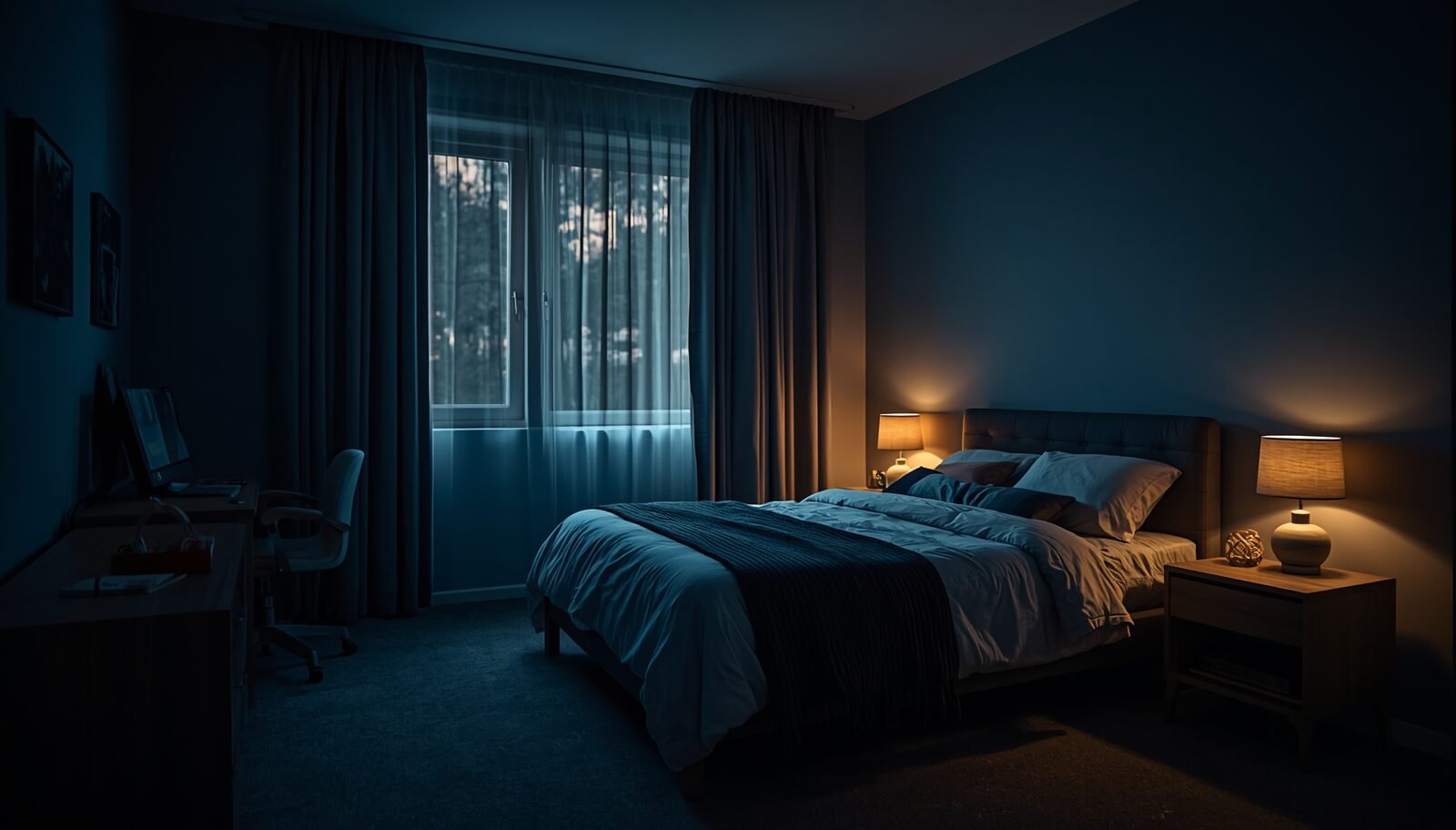
The ideal sleep environment for children is cool (between 16°C and 19°C / 61°F and 67°F), dark, and quiet. Where complete darkness is not possible or desired (particularly for younger children with night fears), a dim red or amber night light is less disruptive to melatonin production than white or blue-spectrum light. White noise machines can be effective for children who are sensitive to household sounds during sleep.
Step 5 — Protect the Schedule on Weekends
Weekend sleep variation — staying up late on Friday and Saturday and sleeping in on Saturday and Sunday morning — creates a phenomenon called social jet lag, in which the body’s circadian clock shifts later, making Monday morning return to school feel like crossing time zones. Research suggests limiting weekend wake time variation to within 60 to 90 minutes of the weekday wake time significantly improves sleep quality and school performance on Monday and Tuesday.
Sleep Hygiene Tips for Every Age
Sleep hygiene refers to the habits and environmental conditions that support consistent, high-quality sleep. While specific practices vary by age, several principles apply broadly across childhood and adolescence.
Consistent Sleep and Wake Times
The circadian clock is anchored most strongly by consistent sleep and wake times. Irregular schedules — even if total sleep time is adequate — disrupt circadian rhythmicity and reduce sleep quality. Consistency on both ends (not just bedtime) is the single most impactful sleep hygiene practice at any age.
Light Exposure Management
Bright light in the morning supports circadian anchoring and morning alertness. Dim light in the two hours before bed supports melatonin onset. Practical implications: encourage morning outdoor light exposure (even 15 minutes of daylight after waking has measurable circadian benefits); use warm, low lighting in the bedroom during the bedtime routine; and remove blue-spectrum screens from the sleep environment at least one hour before lights out.
Physical Activity and Sleep
Regular physical activity is strongly associated with improved sleep quality and faster sleep onset in children of all ages. Research indicates that children who meet physical activity guidelines (at least 60 minutes of moderate to vigorous activity per day) sleep an average of 17 minutes more per night than inactive peers — a clinically meaningful difference. The timing of vigorous exercise matters less for children than for adults, though highly stimulating play immediately before bedtime may delay sleep onset in younger children.
Caffeine Awareness
Many parents are unaware of how much caffeine their school-age children and teenagers consume through soft drinks, energy drinks, iced teas, and chocolate. Caffeine has a half-life of approximately five to six hours, meaning that a caffeinated beverage consumed at 3:00 pm still has half its stimulant effect at 8:00 to 9:00 pm. The American Academy of Pediatrics advises that children under 12 should avoid caffeine entirely; for teenagers, limits of no more than 100mg per day are recommended, and no caffeine after early afternoon.
The Bedroom as a Sleep Space
Sleep specialists consistently recommend that the bedroom — and particularly the bed — be associated exclusively with sleep rather than with homework, gaming, eating, or social media. When the brain associates the bed with stimulating activities, it becomes harder to transition to sleep when lying down. For children and teenagers who use their bedroom for homework, a clear physical and temporal boundary between work time and sleep time helps maintain the bed’s association with rest.
📖 Related Reading: Positive Reinforcement vs. Bribery: What’s the Difference in Parenting? — Encouraging consistent bedtime routines and healthy sleep habits is one area where understanding motivational strategies can make a significant practical difference.
When to Talk to a Doctor About Your Child's Sleep
Many children’s sleep challenges are behavioural in nature and can be addressed with the strategies described in this guide. However, certain sleep symptoms warrant prompt medical evaluation, as they may indicate an underlying physiological sleep disorder requiring diagnosis and treatment.
Please consult your child’s paediatrician or a board-certified paediatric sleep specialist if you observe any of the following:
- 🔴 Snoring loudly, gasping, or pausing in breathing during sleep — these may be signs of obstructive sleep apnoea (OSA), which is significantly underdiagnosed in children
- 🔴 Restless legs or frequent leg movements during sleep — may indicate restless legs syndrome or periodic limb movement disorder
- 🔴 Persistent night terrors after age 8 — may require evaluation for parasomnias
- 🔴 Extreme difficulty falling asleep (over 45 minutes regularly) — may indicate circadian rhythm disorder or anxiety-driven insomnia
- 🔴 Excessive daytime sleepiness despite adequate nighttime sleep — may indicate narcolepsy or another sleep disorder
- 🔴 Sleepwalking, sleep talking, or behaviours during sleep that put the child at risk
- 🔴 Any sleep problem causing significant distress or functional impairment for child or family over more than four to six weeks
Sleep disorders in children are frequently underdiagnosed because parents may normalise symptoms or attribute them to behavioural causes. If you have concerns, an assessment by a paediatrician is always appropriate — earlier identification leads to more effective and less disruptive intervention.
Frequently Asked Questions
Sleep Is Not Optional — It Is the Foundation
Of all the investments parents make in their children’s health and development — nutrition, education, physical activity, emotional support — adequate sleep may be the one with the most consistent, widest-ranging, and most immediate return. It is the biological foundation on which everything else is built: learning, mood, immune function, growth, emotional regulation, and social connection.
Understanding the child sleep chart by age is the starting point. Knowing how much sleep kids need at each developmental stage arms parents with the target. But the real work is in the daily habits — the consistent bedtimes, the device-free bedrooms, the calm wind-down routines — that make adequate sleep a structural feature of family life rather than an aspiration.
Small changes to your children’s sleep schedule — even 20 or 30 minutes of additional sleep per night — can produce measurable improvements in behaviour, attention, and mood that parents often notice within days. If you take one thing from this guide, let it be this: earlier bedtimes are almost always the right direction. The research is consistent, the mechanism is clear, and the results speak loudly — usually by the end of the first week.
About the Author
Prasad Fernando
Prasad Fernando is the founder and lead writer of ParentalRing, a resource dedicated to practical, research-informed parenting guidance. With a deep interest in child development, paediatric health, and the science of childhood wellbeing, Prasad draws on peer-reviewed research, clinical guidelines from leading paediatric organisations, and evidence-based practice to create content that is both accurate and genuinely useful for real families navigating real challenges. He believes that informed parents are better equipped to give their children the foundation they need — and that quality sleep is one of the most powerful tools in that foundation.
Sources & References
- Paruthi, S., Brooks, L. J., D’Ambrosio, C., Hall, W. A., Kotagal, S., Lloyd, R. M., … & Wise, M. S. (2016). Recommended amount of sleep for pediatric populations: A consensus statement of the American Academy of Sleep Medicine. Journal of Clinical Sleep Medicine, 12(6), 785–786.
- American Academy of Pediatrics. (2016). AAP endorses new recommendations on sleep times. AAP News. Retrieved from aap.org.
- Sadeh, A., Gruber, R., & Raviv, A. (2003). The effects of sleep restriction and extension on school-age children: What a difference an hour makes. Child Development, 74(2), 444–455.
- Owens, J. A. (2014). Insufficient sleep in adolescents and young adults: An update on causes and consequences. Pediatrics, 134(3), e921–e932.
- Carskadon, M. A. (2011). Sleep in adolescents: The perfect storm. Pediatric Clinics of North America, 58(3), 637–647.
- Tarokh, L., Saletin, J. M., & Carskadon, M. A. (2016). Sleep in adolescence: Physiology, cognition and mental health. Neuroscience & Biobehavioral Reviews, 70, 182–188.
- Mindell, J. A., Kuhn, B., Lewin, D. S., Meltzer, L. J., & Sadeh, A. (2006). Behavioral treatment of bedtime problems and night wakings in infants and young children. Sleep, 29(10), 1263–1276.
- LeBourgeois, M. K., Hale, L., Chang, A. M., Akacem, L. D., Montgomery-Downs, H. E., & Buxton, O. M. (2017). Digital media and sleep in childhood and adolescence. Pediatrics, 140(Suppl 2), S92–S96.
- Marcus, C. L., Brooks, L. J., Draper, K. A., Gozal, D., Halbower, A. C., Jones, J., … & Spruyt, K. (2012). Diagnosis and management of childhood obstructive sleep apnea syndrome. Pediatrics, 130(3), 576–584.
- Mindell, J. A., & Owens, J. A. (2015). A Clinical Guide to Pediatric Sleep: Diagnosis and Management of Sleep Problems (3rd ed.). Lippincott Williams & Wilkins.
This article was last reviewed and updated in May 2026. Clinical guidelines and research evidence on paediatric sleep continue to evolve. Parents with concerns about their child’s sleep should consult a qualified healthcare professional for personalised guidance.